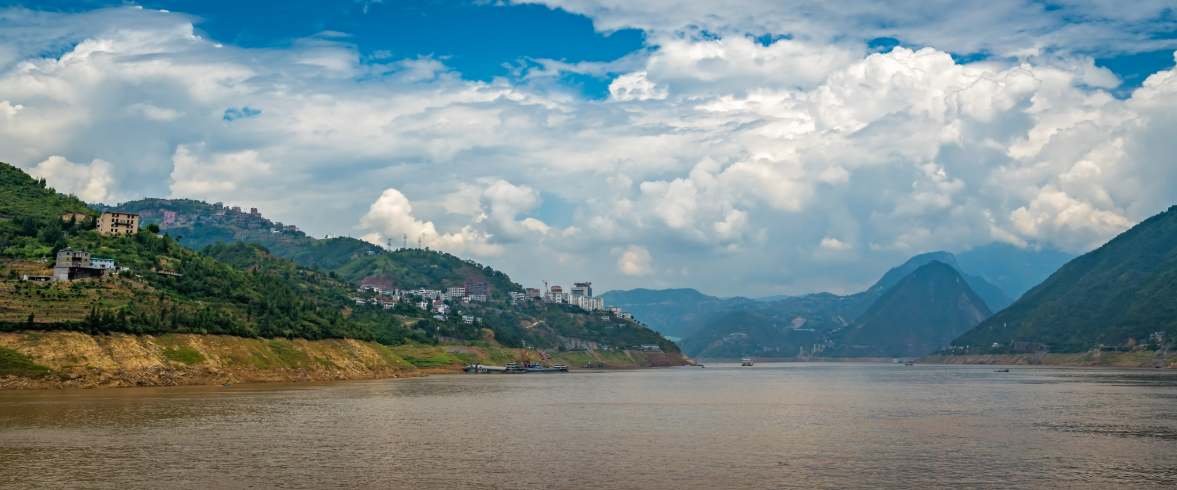
The Largest River in Asia: Exploring the Yangtze River
Asia, the largest and most diverse continent on Earth, is home to remarkable natural treasures, one of which is the largest river in Asia—the Yangtze River. Renowned for its immense size, ecological richness, and cultural significance, the Yangtze River has been an essential part of life in China for millennia. This article delves into the fascinating details of the Yangtze River, from its characteristics and history to its modern-day significance.
What Is the Largest River in Asia?
The Yangtze River, also known as the Chang Jiang in Chinese, holds the title of the largest river in Asia. Spanning an extraordinary 6,300 kilometers (3,917 miles), it is not only the longest river in Asia but also the third-longest river in the world, following the Nile and the Amazon.
Key Characteristics of the Yangtze River
The Yangtze River originates in the highlands of the Qinghai-Tibet Plateau and flows eastward into the East China Sea near Shanghai. Below are some notable features:
- Length: At 6,300 kilometers, the Yangtze is the longest river in both China and Asia.
- Basin Area: It covers an enormous basin area of 1.8 million square kilometers, making it one of the largest river systems globally.
- Tributaries: Key tributaries include the Han, Jialing, and Min rivers, which further enhance its extensive network.
- Economic Importance: Often called the “Golden Waterway,” it is central to China’s economy, supporting industries, agriculture, and trade.
Historical and Cultural Significance
The Yangtze River has long been a cornerstone of Chinese civilization. From ancient settlements on its fertile banks to its role in shaping trade and communication networks, the river has profoundly influenced China’s development. Over centuries, it has inspired countless works of art, poetry, and literature, solidifying its status as a cultural symbol of resilience and prosperity.
The Yangtze River: A Rich Ecological Haven
As the largest river in Asia, the Yangtze is also a hub of ecological diversity.
- Flora and Fauna: Its basin supports over 350 species of fish and endangered animals like the Chinese Alligator and the Yangtze River Dolphin (Baiji).
- Three Gorges Dam: A modern engineering marvel, this dam is the world’s largest hydroelectric power station, significantly contributing to China’s energy supply.
However, the river faces growing challenges, such as pollution, overfishing, and habitat loss, highlighting the need for conservation efforts to protect this vital resource.
Fun Facts About the Largest River in Asia
- Yangtze River Length: Its length of 6,300 kilometers makes it longer than the Mekong and Ganges Rivers combined.
- Volume of Water: The Yangtze has one of the highest water volumes among global rivers, particularly during monsoon seasons.
- Population Hub: Nearly one-third of China’s population lives within the Yangtze River Basin, relying on it for water, food, and livelihood.
Frequently Asked Questions About the Yangtze River
Q1: Why is the Yangtze River called the largest river in Asia?
The Yangtze earns this title due to its exceptional length, massive basin area, and water volume, which make it the most significant river in Asia.
Q2: Is the Yangtze River the largest river in China?
Yes, it is not only the largest river in China but also holds the distinction of being the longest in Asia.
Q3: How long is the Yangtze River?
The Yangtze River stretches approximately 6,300 kilometers, making it the third-longest river worldwide.
Conclusion
The largest river in Asia, the Yangtze River, is far more than just a geographical feature. It is a lifeline for millions, a symbol of cultural heritage, and an ecological treasure. Its vast length, rich biodiversity, and historical significance make it one of Asia’s most awe-inspiring natural wonders.
Whether you’re a nature enthusiast, a history buff, or an adventurous traveler, the Yangtze River offers an incredible experience. For your next trip, let the largest river in Asia guide you through China’s breathtaking landscapes and cultural richness.
Start planning your journey to explore the wonders of the Yangtze River today!