Blog

  • Largest River in Asia

    Largest River in Asia

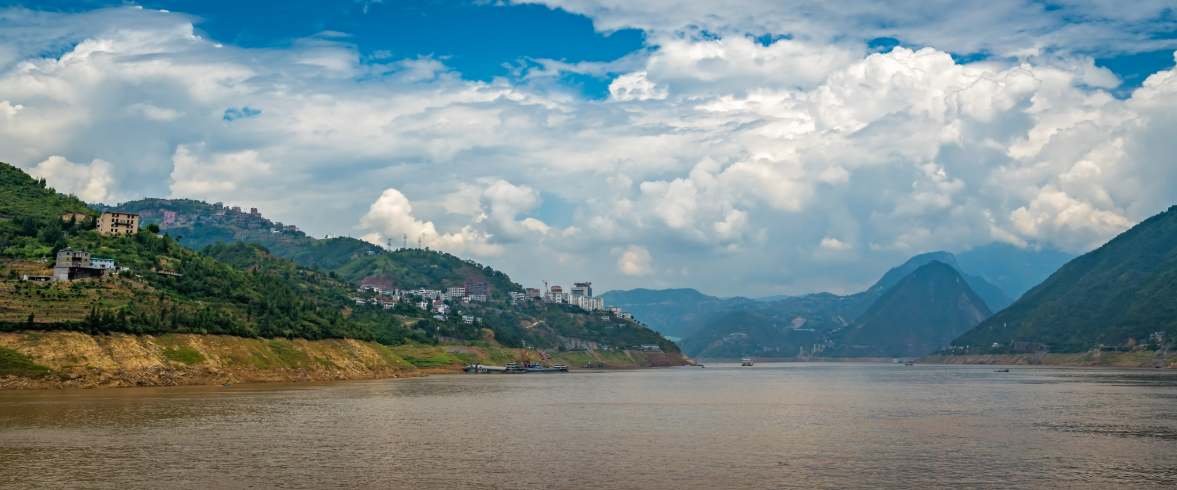
    The Largest River in Asia: Exploring the Yangtze River

    Asia, the largest and most diverse continent on Earth, is home to remarkable natural treasures, one of which is the largest river in Asia—the Yangtze River. Renowned for its immense size, ecological richness, and cultural significance, the Yangtze River has been an essential part of life in China for millennia. This article delves into the fascinating details of the Yangtze River, from its characteristics and history to its modern-day significance.

    What Is the Largest River in Asia?

    The Yangtze River, also known as the Chang Jiang in Chinese, holds the title of the largest river in Asia. Spanning an extraordinary 6,300 kilometers (3,917 miles), it is not only the longest river in Asia but also the third-longest river in the world, following the Nile and the Amazon.

    Key Characteristics of the Yangtze River

    The Yangtze River originates in the highlands of the Qinghai-Tibet Plateau and flows eastward into the East China Sea near Shanghai. Below are some notable features:

    • Length: At 6,300 kilometers, the Yangtze is the longest river in both China and Asia.
    • Basin Area: It covers an enormous basin area of 1.8 million square kilometers, making it one of the largest river systems globally.
    • Tributaries: Key tributaries include the Han, Jialing, and Min rivers, which further enhance its extensive network.
    • Economic Importance: Often called the “Golden Waterway,” it is central to China’s economy, supporting industries, agriculture, and trade.

    Historical and Cultural Significance

    The Yangtze River has long been a cornerstone of Chinese civilization. From ancient settlements on its fertile banks to its role in shaping trade and communication networks, the river has profoundly influenced China’s development. Over centuries, it has inspired countless works of art, poetry, and literature, solidifying its status as a cultural symbol of resilience and prosperity.

    The Yangtze River: A Rich Ecological Haven

    As the largest river in Asia, the Yangtze is also a hub of ecological diversity.

    • Flora and Fauna: Its basin supports over 350 species of fish and endangered animals like the Chinese Alligator and the Yangtze River Dolphin (Baiji).
    • Three Gorges Dam: A modern engineering marvel, this dam is the world’s largest hydroelectric power station, significantly contributing to China’s energy supply.

    However, the river faces growing challenges, such as pollution, overfishing, and habitat loss, highlighting the need for conservation efforts to protect this vital resource.

    Fun Facts About the Largest River in Asia

    • Yangtze River Length: Its length of 6,300 kilometers makes it longer than the Mekong and Ganges Rivers combined.
    • Volume of Water: The Yangtze has one of the highest water volumes among global rivers, particularly during monsoon seasons.
    • Population Hub: Nearly one-third of China’s population lives within the Yangtze River Basin, relying on it for water, food, and livelihood.

    Frequently Asked Questions About the Yangtze River

    Q1: Why is the Yangtze River called the largest river in Asia?
    The Yangtze earns this title due to its exceptional length, massive basin area, and water volume, which make it the most significant river in Asia.

    Q2: Is the Yangtze River the largest river in China?
    Yes, it is not only the largest river in China but also holds the distinction of being the longest in Asia.

    Q3: How long is the Yangtze River?
    The Yangtze River stretches approximately 6,300 kilometers, making it the third-longest river worldwide.

    Conclusion

    The largest river in Asia, the Yangtze River, is far more than just a geographical feature. It is a lifeline for millions, a symbol of cultural heritage, and an ecological treasure. Its vast length, rich biodiversity, and historical significance make it one of Asia’s most awe-inspiring natural wonders.

    Whether you’re a nature enthusiast, a history buff, or an adventurous traveler, the Yangtze River offers an incredible experience. For your next trip, let the largest river in Asia guide you through China’s breathtaking landscapes and cultural richness.

    Start planning your journey to explore the wonders of the Yangtze River today!

  • Saudi Azad Visa

    Saudi Azad Visa

    • Everything You Need to Know About Saudi Azad Visa

    If you’re looking for a flexible work visa for Saudi Arabia, the Saudi Azad Visa is an excellent option. Balaggan Travel and Tours, your reliable travel partner, provides comprehensive assistance for acquiring Azad visas, ensuring a hassle-free process for aspiring travelers and workers. This article explores the details, benefits, and opportunities associated with Saudi Azad visas while highlighting how we can help you achieve your goals.

    What is a Saudi Azad Visa?

    A Saudi Azad Visa allows individuals to work in Saudi Arabia without being tied to a specific employer. Unlike traditional work visas, the Azad visa gives workers more freedom to choose their employer and job type. It’s an ideal choice for skilled and semi-skilled workers seeking opportunities in Saudi Arabia’s thriving job market.

    Benefits of a Saudi Azad Visa

    1. Flexibility
      Workers have the freedom to switch employers and explore better opportunities.
    2. Extended Validity
      Saudi Azad visas often come with a longer validity period, making them cost-effective.
    3. Access to a Growing Job Market
      Saudi Arabia’s Vision 2030 initiative has created numerous opportunities in various sectors, including construction, healthcare, and technology.
    4. Simplified Application Process
      With the help of Balaggan Travel and Tours, obtaining an Azad visa is a straightforward process.

    Azad Visas Prices in Pakistan

    The Azad Visas prices in Pakistan varies depending on the agency and additional services offered. Typically, the cost includes visa processing fees, medical examinations, and insurance. Here are some approximate prices:

    • Saudi Azad Visa: PKR 400,000 to PKR 500,000
    • UAE Azad Visa Price in Pakistan: PKR 350,000 to PKR 450,000
    • Oman Azad Visa Price: PKR 300,000 to PKR 400,000

    Balaggan Travel and Tours offers competitive pricing and transparent services, ensuring you get the best value for your money.

    Places to Visit in Saudi Arabia

    While working in Saudi Arabia, you’ll have the chance to explore its rich culture and history. Here are some must-visit destinations:

    Saudi Arabia is home to some of the most iconic cities and landscapes in the Middle East. From religious hubs to breathtaking natural wonders, Saudi Arabia offers a diverse range of experiences. If you’re planning your trip with a Saudi Azad Visa, these cities and destinations should be at the top of your list. Let’s explore the key attractions and what makes each place unique.

    • Riyadh: The Modern Heart of Saudi Arabia
      Riyadh, the capital city of Saudi Arabia, is a bustling metropolis that blends culture and tradition with modernity. Known for its stunning skyscrapers, luxury shopping malls, and rich cultural heritage, Riyadh offers an exciting destination for travelers.
      Attractions:
      Riyadh boasts many historic and modern attractions, including the National Museum, Al-Masmak Fortress, and the Kingdom Centre Tower. Visitors can explore the King Abdulaziz Historical Centre, which showcases Saudi Arabia’s fascinating history.
      Shopping and Dining:
      Riyadh is famous for its upscale shopping malls, such as the Riyadh Gallery and Al Nakheel Mall. The city also has a wide variety of dining options, from traditional Saudi cuisine to international flavors.
      Getting There:
      Whether you’re arriving on a Saudi Azad Visa or another travel permit, Riyadh’s King Khalid International Airport serves as the primary gateway for international visitors
      .
    • Mecca: The Spiritual Epicenter of Islam
      Mecca, the birthplace of the Prophet Muhammad, is one of the most important cities for Muslims worldwide. Each year, millions of pilgrims visit Mecca to perform the Hajj pilgrimage, making it a unique and sacred destination.
      Sacred Sites:
      The most famous landmark in Mecca is the Masjid al-Haram, home to the Kaaba. This mosque attracts millions of worshippers during the annual pilgrimage and offers a truly transformative spiritual experience.
      Cultural Insights:
      Mecca is not only a religious hub but also a city rich in history and culture. Visitors can explore the Abraj Al-Bait Towers, which is home to the King Abdul aziz International Airport and a vast shopping complex.
      Travel Considerations:
      To visit Mecca, travelers need to secure the right visa. For those with a Saudi Azad Visa, the process is straightforward and allows access to Mecca’s many sacred sites.
    • Medina: A City of Peace and Heritage
      Medina is another significant religious city in Saudi Arabia. Known as the second holiest city in Islam, Medina is famous for its historical landmarks, including the Prophet’s (S.A.W.W) Mosque, which houses the tomb of the Prophet Muhammad.
      Key Attractions:
      The Prophet’s Mosque (S.A.W.W) is Medina’s most famous attraction, drawing millions of pilgrims each year. Other notable sites include the Quba Mosque, the first mosque built by the Prophet Muhammad (S.A.W.W), and the historic Uhud Mountain.
      Cultural Significance:
      Medina is a peaceful city that provides spiritual solace and insight into Islamic history. The atmosphere is calm and reflective, ideal for those seeking to deepen their connection with their faith.
      Visiting Medina:
      With a Saudi Azad Visa, travelers can visit Medina and explore its religious significance. The city’s welcoming ambiance makes it an unforgettable destination for all who visit.
    • Al-Ula: A Historical and Natural Wonder
      Al-Ula is a hidden gem in Saudi Arabia, offering a mix of ancient history and stunning natural beauty. This desert city is home to spectacular rock formations and archaeological sites dating back thousands of years.
      Famous Landmarks:
      Al-Ula’s most famous attraction is the UNESCO World Heritage Site of Mada’in Saleh. This ancient Nabatean city is carved into sandstone cliffs and is comparable to Petra in Jordan. Other notable landmarks include the Elephant Rock and the Al-Ula Old Town.
      Outdoor Activities:
      The city offers hiking, desert safaris, and stargazing, giving visitors a chance to explore the vast beauty of Saudi Arabia’s desert landscape.
      Travel to Al-Ula:
      Traveling to Al-Ula is easier than ever, especially with a Saudi Azad Visa. It allows for smoother access to this spectacular site, ensuring you get the most out of your visit.
    • Jeddah: The Gateway to Mecca
      Jeddah, located on the Red Sea coast, is a vibrant city known for its historical significance, beautiful coastline, and diverse culture. Jeddah is often considered the gateway to Mecca, with many travelers passing through the city on their way to the holy city.
      Cultural and Historical Highlights:
      Jeddah’s Old Town, Al-Balad, is a UNESCO World Heritage Site and is home to traditional buildings made from coral. The city also boasts the King Fahd Fountain, the tallest of its kind in the world, and a lively waterfront.
      Shopping and Dining:
      Jeddah is known for its shopping malls, vibrant street markets, and an abundance of restaurants serving everything from authentic Saudi dishes to global cuisines.
      Visiting Jeddah:
      Jeddah is well-connected by air and sea, and with a Saudi Azad Visa, it’s easy to explore the city’s rich history and stunning landscapes.
    • Abha: A Mountain Retreat in the South
      Abha, located in the Asir Mountains, offers a refreshing contrast to the deserts and coastal cities of Saudi Arabia. Known for its cooler climate, lush greenery, and stunning mountain views, Abha is perfect for nature lovers.
      Scenic Views and Outdoor Activities:
      The city is surrounded by natural beauty, from the green hills of the Asir Mountains to the breathtaking views of the Tihama Plain. Visitors can enjoy hiking, cable car rides, and exploring the many parks and gardens.
    • Historical and Cultural Sites:
      Abha also offers cultural experiences, such as visiting the Asir National Park and exploring the Al-Muftaha Village, which is home to traditional Saudi architecture.
    • Accessing Abha:
      Whether you’re visiting Abha for relaxation or adventure, obtaining a Saudi Azad Visa will allow you to explore the region with ease.

    Security and Living Conditions in Saudi Arabia

    Saudi Arabia is known for its strict laws and regulations, ensuring safety and security for residents and workers. The country’s infrastructure, healthcare facilities, and living standards are continuously improving under Vision 2030. With guidance from Balaggan Travel and Tours, you can confidently navigate life in Saudi Arabia.

    Related Azad Visa Options

    If you’re considering other destinations, here are some additional Azad visa options:

    1. UAE Azad Visa
      Flexible work opportunities in Dubai, Abu Dhabi, and other Emirates.
    2. Oman Azad Visa
      Suitable for workers seeking employment in Muscat and other Omani cities.
    3. Qatar Azad Visa
      Perfect for professionals looking to work in Qatar’s booming economy.
    4. Malaysia Azad Visa
      Ideal for job seekers exploring opportunities in Southeast Asia.

    Why Choose Balaggan Travel and Tours?

    At Balaggan Travel and Tours, we specialize in making your visa application process smooth and stress-free. Here’s why you should choose us:

    • Expert Guidance: Our team is well-versed in the latest visa policies and requirements.
    • Affordable Packages: We offer competitive pricing for Saudi Azad visas and related services.
    • Customer Support: From application to approval, our team is here to assist you every step of the way.

    How to Apply for a Saudi Azad Visa with Balaggan Travel

    1. Consultation
      Contact our team to discuss your requirements and eligibility.
    2. Document Submission
      Provide all necessary documents, including a valid passport, photographs, and medical reports.
    3. Application Processing
      We handle the entire application process on your behalf.
    4. Approval and Travel
      Once approved, we help you plan your journey and settle in Saudi Arabia.

    FAQs About Saudi Azad Visa

    1. What is the age limit for a Saudi Azad visa?
      The age limit varies depending on the job category but is generally between 21 and 50 years.
    2. Can I switch jobs with a Saudi Azad visa?
      Yes, the Azad visa allows job flexibility.
    3. How long does it take to process a Saudi Azad visa?
      The process typically takes 2-4 weeks.
    4. Is the Saudi Azad visa renewable?
      Yes, the visa is renewable based on your employer’s sponsorship.

    Plan Your Journey Today!

    With Balaggan Travel and Tours, obtaining a Saudi Azad Visa is easier than ever. Contact us today to begin your journey toward a prosperous future in Saudi Arabia!

  • Most Expensive Country in South Asia

    Most Expensive Country in South Asia

    The Most Expensive Country in South Asia

    South Asia, with its rich tapestry of cultures, breathtaking landscapes, and diverse economies, is a region of contrasts. Among the countries in this region, one stands out for its high cost of living, luxury tourism, and exclusive lifestyle: the Maldives. This article delves into why the Maldives is recognized as the most expensive country in South Asia and the unique factors contributing to its reputation.

    Which Country Is the Most Expensive in South Asia?

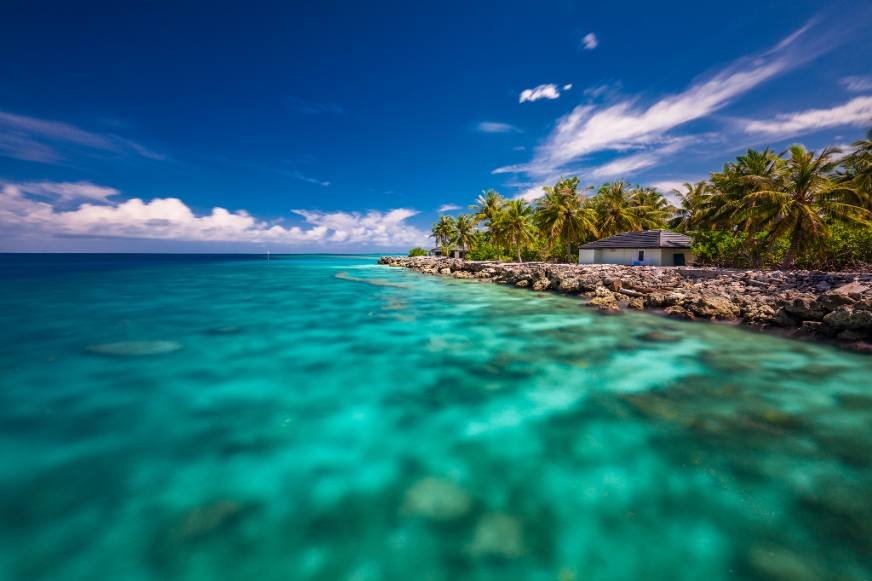
    The Maldives, an archipelago of 1,192 coral islands scattered across the Indian Ocean, is celebrated worldwide for its stunning overwater villas, pristine beaches, and vibrant marine life. These features have crowned it the most expensive country in South Asia, known for its high living costs and exclusive services.

    Why Is the Maldives the Most Expensive Country in South Asia?

    Several factors drive the Maldives’ high costs and premium lifestyle:

    1. Luxury Tourism Industry

    Maldives is more than just a tropical escape; it’s the epitome of luxury. With turquoise waters, private islands, and world-class resorts, this destination has become a dream for travelers looking to experience the finest things in life. Let’s dive into what makes the Maldives a global luxury hotspot.

    • Exclusivity Like Nowhere Else: When it comes to privacy, the Maldives is in a league of its own. Many resorts occupy entire islands, giving guests a private haven where they can escape the outside world. Whether it’s couples seeking intimacy or celebrities avoiding the spotlight, the Maldives guarantees complete seclusion.
      But it doesn’t stop there. Resorts take exclusivity to the next level by offering personal butlers, custom experiences, and tailored services. You’re not just a guest—you’re royalty.
    • Overwater Villas: The Ultimate Luxury Stay
      Envision opening your eyes to the soft, soothing rhythm of waves lapping below you. Overwater villas in the Maldives truly embody the essence of paradise. With their serene ambiance, direct ocean access, and stunning vistas, they create an unforgettable experience that feels like a dream brought to life.
      Many villas feature luxurious amenities like private infinity pools, glass floors for observing marine life, and even exclusive dining areas for a more intimate experience. Staying in one of these is more than a vacation—it’s an experience you’ll never forget.
    • The Resorts That Set New Standards: Luxury resorts in the Maldives aren’t just places to stay—they’re destinations in themselves. Each one offers something unique, ensuring your trip is nothing short of extraordinary.
    • Soneva Jani: Sleep under the stars with their retractable roofs.
      The St. Regis Maldives: Indulge in spa treatments surrounded by the ocean.
      Baros Maldives: Known for its romantic ambiance and impeccable service.
      Every resort is designed to offer something beyond luxury—whether it’s a sense of adventure, tranquility, or indulgence.
    • Adventure Meets Relaxation: While the Maldives is known for relaxation, it’s also a paradise for adventure seekers. Immerse yourself in the lively underwater universe by snorkeling or scuba diving. Swim with majestic whale sharks, explore coral reefs, or take a sunset cruise on a private yacht.
      For those looking to unwind, spa treatments inspired by traditional Maldivian techniques are a must-try. They’ll leave you refreshed and reconnected with nature.
    • Dining Beyond Expectations: The Maldives turns dining into an unforgettable experience. Underwater restaurants like Ithaa offer meals surrounded by marine life, while private sandbank dinners let you enjoy gourmet cuisine under the stars.
      Every meal is crafted by world-class chefs using the freshest ingredients. Whether you’re sipping cocktails by the beach or indulging in a multi-course feast, the Maldives elevates every bite.
    • A Commitment to Sustainability: Luxury in the Maldives doesn’t mean compromising the environment. Resorts are now embracing eco-friendly practices to preserve the islands’ natural beauty. Solar energy, coral restoration projects, and the reduction of single-use plastics are just some of the initiatives in place.
      Travelers can relax knowing their visit helps support a sustainable future for this tropical paradise.
    Why the Maldives Is the Pinnacle of Luxury Travel

    The Maldives isn’t just about lavish accommodations or fine dining—it’s about creating moments you’ll treasure forever. From waking up to the sound of the ocean to witnessing sunsets that light up the sky, every second here feels magical.

    • Luxury tourism in the Maldives is more than a trip; it’s a celebration of life’s most beautiful experiences.
    • The Maldives is calling, and it’s time to answer. Whether you’re planning a romantic escape, a family vacation, or just a chance to unwind, we’re here to make it effortless. Reach out to us today, and let us help you design the perfect luxury getaway in the Maldives.

    2. Import Dependency

    The Maldives, a breathtaking archipelago in the Indian Ocean, relies heavily on imported goods to sustain its economy and daily life. As the most expensive country in South Asia, its import dependency significantly influences the cost of living and economic stability. Let’s delve into how this dependency impacts the nation and what solutions are being explored.

    Why Does the Maldives Rely on Imports?

    The Maldives depends on imports due to its geographic and economic limitations. With minimal arable land and scarce natural resources, the country cannot produce enough food, energy, or industrial goods to meet its needs.

    Key factors contributing to this dependency include:

    1. Limited Agricultural Capacity:
      The Maldives lacks sufficient land for large-scale farming, forcing it to import staples like rice, vegetables, and fruits.

    2. Energy Needs:
      The nation relies almost entirely on imported fossil fuels for electricity and transportation.

    3. Tourism-Driven Economy:
      The tourism sector, the backbone of the Maldivian economy, requires imported construction materials, luxury goods, and high-quality food products to meet the expectations of global travelers.

    4. Small Domestic Industry:
      The Maldives has a small industrial base, leaving it dependent on foreign goods for machinery, electronics, and consumer items.

    The Impact of Import Dependency on the Maldives

    The Maldives’ heavy reliance on imports has significant economic and social effects:

    1. High Cost of Living:
      Importing goods increases prices for consumers, making the Maldives the most expensive country in South Asia. Locals face high costs for essentials like food, fuel, and household items.

    2. Economic Vulnerability:
      Global events, such as supply chain disruptions or rising oil prices, can drastically impact the Maldivian economy.

    3. Strain on Foreign Reserves:
      The Maldives spends a substantial portion of its foreign exchange earnings on imports, limiting funds for development projects.

    4. Environmental Concerns:
      Imported goods often come with packaging waste, contributing to the Maldives’ waste management challenges and harming its fragile ecosystems.

    How Import Dependency Affects Everyday Life

    For locals, import dependency means higher prices for basic needs. A family in the Maldives spends more on food and utilities than families in neighboring countries. Meanwhile, businesses, particularly in the tourism sector, must pass these costs on to consumers, raising prices for visitors.

    This dynamic reinforces the Maldives’ reputation as a luxury destination but also highlights the challenges faced by its citizens.

    3. Limited Natural Resources

    The Maldives is renowned for its crystal-clear waters, white sandy beaches, and vibrant coral reefs. However, despite its natural beauty, the country faces significant challenges due to its limited natural resources. As the most expensive country in South Asia, the scarcity of essential resources affects daily life, economic development, and sustainability. Let’s explore how these limitations impact the nation and its efforts to thrive.

    The Unique Geography of the Maldives

    The Maldives is an archipelago made up of nearly 1,200 coral islands. While this setting provides exceptional beauty, it also presents limitations in terms of natural resources. Key constraints include:

    1. Limited Land Area:
      The total landmass of the Maldives is only about 298 square kilometers, which is not enough for large-scale agriculture or resource extraction.

    2. Scarcity of Freshwater:
      With a population of over 500,000 people, freshwater resources are extremely limited. The Maldives relies on rainwater harvesting and desalination plants for drinking water.

    3. Lack of Arable Land:
      Due to the small size and sandy composition of many islands, only a small portion is suitable for farming. The country cannot grow enough food to sustain its population.

    Impact of Limited Natural Resources on the Maldives

    The scarcity of resources presents several challenges for both the economy and the well-being of the people:

    1. High Cost of Living:
      With limited agricultural production, the Maldives relies heavily on imported food, making it the most expensive country in South Asia. Imported goods, particularly food and fuel, significantly drive up the cost of living.

    2. Energy Dependence:
      The Maldives imports nearly all of its energy, mainly in the form of fossil fuels. This dependence leaves the nation vulnerable to rising global energy prices.

    3. Environmental Degradation:
      Over-exploitation of limited resources, such as coral reefs and marine life, can harm the delicate ecosystems that the Maldives depends on for both tourism and fishing industries.

    4. Economic Vulnerability:
      A limited resource base makes the Maldives highly susceptible to external factors like price fluctuations in global markets, natural disasters, or political instability abroad.

    4. Exclusive Services

    Maldives is famous for its breathtaking beauty and luxurious experiences. As the most expensive country in South Asia, it caters to high-end tourists with services designed to provide exceptional comfort and exclusivity. Let’s take a look at some of the exclusive services that make the Maldives an unparalleled destination for luxury travelers.

    Private Island Resorts: The Ultimate Getaway

    One of the most unique and exclusive experiences in the Maldives is the opportunity to stay on a private island. These resorts offer unparalleled privacy, with guests having access to their own stretch of paradise. Key features of private island resorts include:

    1. All-Inclusive Luxury:
      Most private resorts offer all-inclusive packages, where guests enjoy gourmet meals, private beaches, and personalized services.

    2. Overwater Villas:
      Overwater villas with glass floors, infinity pools, and stunning ocean views provide a dreamlike stay.

    3. Exclusive Experiences:
      Private dining on a secluded sandbank, bespoke spa treatments, and personal butlers enhance the sense of exclusivity.

    Personalized Butler Services

    For those visiting the Maldives, personalized butler services are a key part of the luxury experience. The most expensive country in South Asia takes service to another level with professional butlers dedicated to ensuring every need is met. These services include:

    1. 24/7 Assistance:
      A personal butler is available around the clock to cater to all requests, from arranging excursions to handling special requests.

    2. Customized Itineraries:
      Butlers create bespoke travel itineraries, ensuring that guests enjoy tailored experiences like private yacht cruises or romantic sunset dinners.

    3. Exclusive Access:
      Guests can enjoy VIP access to events, special spa treatments, or even helicopter transfers to nearby islands.

    World-Class Dining Experiences

    Dining in the Maldives is not just about food; it’s about indulging in an experience. Exclusive services include some of the most unique dining options in the world:

    1. Underwater Restaurants:
      Imagine dining surrounded by marine life. Underwater restaurants like the Ithaa Undersea Restaurant offer guests a chance to dine in a truly extraordinary setting.

    2. Private Beach Dinners:
      For a more intimate experience, many resorts offer private beach dinners with customized menus prepared by top chefs.

    3. Gourmet Cuisines from Around the World:
      Resorts in the Maldives pride themselves on offering a wide array of gourmet cuisines, from fresh seafood to international dishes, prepared with the finest ingredients.

    Exclusive Wellness and Spa Services

    The Maldives is a top destination for travelers seeking wellness and relaxation. Exclusive spa treatments are a major draw for those looking to unwind in a serene environment:

    1. Signature Spa Treatments:
      Resorts offer unique spa experiences, such as traditional Maldivian therapies or Ayurvedic treatments, designed to promote relaxation and rejuvenation.

    2. Private Yoga and Meditation Sessions:
      Guests can enjoy one-on-one sessions with professional instructors, offering personalized yoga, meditation, and wellness activities.

    3. Wellness Retreats:
      Many luxury resorts host exclusive wellness retreats, where guests can take part in detox programs, fitness training, and holistic healing.

    Private Yacht and Seaplane Transfers

    For guests visiting the Maldives, getting from one island to another is an experience in itself. Luxury transfers, including private yachts and seaplanes, offer both convenience and glamour:

    1. Private Yacht Charters:
      Experience the Maldives by sea with a private yacht charter. Guests can explore secluded islands, enjoy water sports, or simply relax while cruising the turquoise waters.

    2. Seaplane Transfers:
      Seaplane transfers offer spectacular aerial views of the islands, giving guests a thrilling start to their holiday.

    3. Customized Excursions:
      Private yachts and seaplanes can also be used for customized excursions, such as fishing trips or island-hopping tours.

    Why the Maldives is the Ultimate Luxury Destination

    The Maldives offers a range of exclusive services that few destinations can match. From private villas and personalized butlers to world-class dining and wellness experiences, it’s easy to see why it’s known as the most expensive country in South Asia. Whether you’re looking for a peaceful retreat or an adventurous getaway, the Maldives has it all.

    Cost of Living in the Maldives

    Living in the most expensive country in South Asia comes with a significant financial commitment. Here’s a breakdown of typical expenses:

    • Accommodation: A small apartment in the capital, Malé, costs $800–$1,500 per month, while a luxury villa in a resort can reach $5,000–$10,000 per night.
    • Food: A meal at a local eatery costs about $10, but dining at a resort can exceed $100 per person.
    • Transportation: Inter-island travel often involves expensive options like speedboats or seaplanes, costing hundreds of dollars per trip.

    The Maldives’ Economic Impact

    As the most expensive country in South Asia, the Maldives has built its economy around its exclusivity:

    • Tourism Dominance: Tourism accounts for over 28% of the GDP, with high-end travelers contributing significantly to revenue.
    • Luxury Market: Private island rentals and premium services attract celebrities, business magnates, and affluent tourists, further cementing its reputation as a luxury destination.

    However, this dependence on tourism makes the economy susceptible to global crises, such as pandemics or recessions, which can severely impact visitor numbers.

    Challenges Faced by the Maldives

    While the Maldives enjoys its status as a luxury paradise, it faces several challenges:

    1. Economic Inequality

    Economic inequality in the Maldives refers to the unequal distribution of wealth and opportunities among its population. While the tourism sector drives a significant portion of the country’s GDP, many locals, especially those living in remote islands, struggle with low incomes and limited access to basic services.

    The stark contrast between the affluent lifestyle of resort areas and the struggles of many Maldivian citizens highlights the growing wealth gap.

    What Causes Economic Inequality in the Maldives?

    Several factors contribute to the growing economic disparity in the Maldives:

    1. Tourism-Centric Economy:
      While tourism is the backbone of the economy, the industry primarily benefits foreign investors and a small segment of locals. Many Maldivians work in low-wage positions within the tourism sector.

    2. Geographic Challenges:
      The Maldives is a nation of scattered islands, making it difficult to distribute resources and create equal opportunities across all regions. Outer islands often lack access to quality education, healthcare, and infrastructure.

    3. Limited Diversification:
      The Maldives relies heavily on tourism, leaving other industries underdeveloped. This reliance limits job opportunities outside the tourism sector, particularly for those living in non-touristic regions.

    4. Education Gaps:
      Access to quality education is uneven. Many young people in remote areas cannot afford higher education, leading to limited career opportunities.

    5. High Cost of Living:
      Imported goods and services drive up the cost of living, especially in rural areas. This disproportionately impacts low-income households.

    The Impact of Economic Inequality on Maldivian Society

    Economic inequality in the Maldives has far-reaching effects on individuals and communities:

    1. Social Disparities: Wealth disparities create divisions between those living in resort hubs and those in rural islands.
    2. Reduced Quality of Life: Many families in remote areas struggle to meet basic needs due to low incomes and high expenses.
    3. Stalled Economic Growth: Inequality limits the potential of a large portion of the population, reducing overall productivity and growth.
    4. Youth Unemployment: Lack of opportunities forces many young Maldivians to remain unemployed or underemployed.

    2. Environmental Vulnerability

    The Maldives, renowned for its stunning islands and crystal-clear waters, faces significant environmental challenges. Its unique geography makes it highly vulnerable to climate change, rising sea levels, and environmental degradation. This vulnerability not only threatens the natural beauty of the Maldives but also impacts its economy and the livelihoods of its citizens.

    Why the Maldives is Environmentally Vulnerable

    The Maldives is an archipelago of 1,192 coral islands, with 80% of the land lying less than one meter above sea level. This low elevation makes it one of the most vulnerable nations to environmental threats. Let’s explore the main factors contributing to its vulnerability:

    1. Rising Sea Levels:
      Climate change is causing global sea levels to rise. For the Maldives, even a small increase poses a severe threat to its islands, with some at risk of being submerged entirely.

    2. Coral Reef Degradation:
      Coral reefs are vital for protecting the islands from erosion and supporting marine life. However, rising ocean temperatures and pollution have led to widespread coral bleaching.

    3. Coastal Erosion:
      The Maldives’ sandy beaches face constant erosion due to natural and human-made factors, further endangering its landmass.

    4. Extreme Weather Events:
      Climate change has increased the frequency of storms and unpredictable weather patterns, leading to flooding and damage to infrastructure.

    5. Overdependence on Tourism:
      While tourism drives the Maldivian economy, it also places immense pressure on the environment. Overdevelopment, waste generation, and resource depletion contribute to environmental strain.

    Impact of Environmental Vulnerability on the Maldives

    The environmental challenges faced by the Maldives have far-reaching consequences:

    • Threat to Livelihoods: Rising seas and damaged coral reefs endanger the fishing and tourism industries, which are essential for the Maldivian economy.
    • Loss of Biodiversity: Environmental degradation has led to the decline of marine species and habitats, impacting ecosystems and local livelihoods.
    • Water Scarcity: With limited freshwater resources, rising salinity levels make accessing clean drinking water increasingly difficult.
    • Displacement Risks: Coastal erosion and flooding threaten to displace entire communities, forcing residents to relocate.

    3. Tourism Dependency

    Maldives, often called a tropical paradise, thrives on its tourism industry. Renowned for its luxury resorts and stunning beaches, the country has built its economy around this sector. However, its heavy reliance on tourism also brings risks. Let’s explore how the Maldives depends on tourism and the challenges it faces as the most expensive country in South Asia.

    Why Tourism is the Backbone of the Maldivian Economy

    Tourism plays a critical role in the Maldives. It contributes to over 30% of the country’s GDP and generates the majority of its foreign exchange earnings. Resorts, hotels, and related services employ a significant portion of the population, making it the largest economic driver.

    The Maldives attracts visitors from across the globe, with its overwater villas, pristine coral reefs, and private island experiences. However, being the most expensive country in South Asia, the Maldives caters predominantly to high-end tourists, ensuring premium services and experiences.

    The Advantages of Tourism Dependency

    Relying on tourism has brought many benefits to the Maldives:

    1. Economic Growth:
      Tourism drives the Maldivian economy by creating jobs, attracting investments, and increasing foreign currency reserves.

    2. Improved Infrastructure:
      To support tourists, the government has invested in airports, transportation, and utilities, benefiting both locals and visitors.

    3. Cultural Promotion:
      Tourism has helped preserve and showcase Maldivian culture through music, crafts, and local traditions.

    4. Environmental Awareness:
      Eco-tourism has encouraged sustainable practices to protect the Maldives’ fragile ecosystems.

    Challenges of Tourism Dependency

    While tourism has been a boon for the Maldives, relying so heavily on it poses risks:

    1. Economic Vulnerability:
      External factors like global recessions, pandemics, or geopolitical issues can disrupt tourism and severely impact the economy.

    2. Environmental Strain:
      Over-tourism puts immense pressure on coral reefs, marine life, and waste management systems, threatening the Maldives’ natural beauty.

    3. Uneven Wealth Distribution:
      Despite its thriving tourism sector, many Maldivians do not benefit equally. Remote islands often lack access to the wealth generated.

    4. Climate Change Risks:
      Rising sea levels and extreme weather events threaten the very foundation of tourism in the Maldives.

    Efforts to Diversify the Economy

    To reduce its dependency on tourism, the Maldives is exploring ways to diversify its economy:

    1. Fisheries Development:
      Fishing is the second-largest economic sector. The government is working to modernize this industry to create more jobs.

    2. Renewable Energy Projects:
      Investing in solar and wind energy helps reduce reliance on imported fuels and promotes sustainability.

    3. Education and Skills Training:
      The Maldives is focusing on building a skilled workforce to attract investment in non-tourism sectors, such as IT and finance.

    4. Promoting Local Businesses:
      Initiatives to support local entrepreneurs and small businesses aim to create income sources beyond tourism.

    Why Sustainable Tourism is the Key

    Even with efforts to diversify, tourism will remain the heart of the Maldivian economy. The focus now is on making it sustainable. Resorts are adopting eco-friendly practices, reducing waste, and restoring coral reefs. These efforts not only preserve the environment but also attract eco-conscious travelers.

    Conclusion

    The Maldives, the most expensive country in South Asia, is a true tropical paradise offering unparalleled luxury and natural beauty. Its high cost of living and exclusive tourism industry distinguish it as a premier destination for affluent travelers.

    However, this status comes with challenges, including economic inequality, environmental threats, and dependence on tourism. As a result, the Maldives highlights both the allure and the complexities of maintaining a reputation as a luxury destination.

    Whether you’re planning a visit or exploring the economic diversity of South Asia, the Maldives remains a fascinating example of how natural beauty and exclusivity define a nation’s global image.
  • eVisa Kenya

    eVisa Kenya

    A Complete Guide to eVisa Kenya: Simplifying Your Travel with Our Expert Assistance

    Planning a trip to Kenya? Thanks to the eVisa Kenya system, obtaining a visa has never been easier. Whether you’re traveling for tourism, business, or medical purposes, understanding how to apply for an eVisa for Kenya is essential for a hassle-free experience. To make your journey even smoother, we offer professional assistance to handle the entire eVisa process on your behalf—saving you time, effort, and stress.

    In this guide, we’ll walk you through the Kenya eVisa requirements, application process, and how our services can help ensure a seamless and error-free application.

    What Is an eVisa?

    The eVisa is an electronic visa that allows eligible travelers to apply online and receive their visa digitally before arriving in the specific country. This convenient system eliminates the need for physical paperwork or embassy visits. However, navigating the process can be challenging for some. That’s where we step in, offering expert guidance and support to help you get your Kenya eVisa with ease.

     Requirements for eVisa: What You Need

    To begin your Kenya eVisa application, ensure you have the following:

    1. Valid Passport: Must have at least six months’ validity beyond your entry date.
    2. Digital Photograph: A recent passport-sized photo in digital format.
    3. Travel Details: Information about your itinerary, including return tickets.
    4. Supporting Documents: Depending on your travel purpose, you may need documents like hotel bookings, invitation letters, or business permits.

    Our service ensures all your documents meet the official eVisa requirements, saving you from common mistakes that can lead to delays.

    How to Apply for an eVisa Kenya with Our Help

    The Kenya eVisa process is simple when handled by our team:

    1. Submit Your Details: Provide us with your travel and personal information.
    2. Document Verification: We review your documents to ensure they comply with the official guidelines.
    3. Application Submission: Our experts fill out and submit the application on your behalf.
    4. Fast Processing: We monitor your application status and notify you as soon as your visa is approved.

    By entrusting us with the process, you avoid errors, reduce waiting times, and gain peace of mind knowing professionals are handling your application.

    eVisa Kenya Processing Time

    The typical eVisa processing time is 2-5 business days. However, delays can occur due to incomplete documentation or peak travel seasons. With our service, we ensure your application is submitted with all required details to minimize delays. Plus, we’ll keep you updated on your eVisa application status, so you never have to worry.

    Why Choose Our Kenya eVisa Services?

    Applying for an eVisa can sometimes feel overwhelming due to strict requirements and technical glitches. Here’s why our service is the best choice for travelers:

    • Time-Saving: Skip the hassle of navigating the application system yourself.
    • Error-Free Applications: Our experts double-check all details to ensure accuracy.
    • Personalized Support: We guide you through every step, answering questions and providing updates.
    • Fast Turnaround: We prioritize your application to get it approved as quickly as possible.
    • Affordable Packages: Our pricing is competitive, offering you great value for professional assistance.

    Common FAQs About eVisa Kenya

    Q1: How long does it take to process an eVisa?
    A: Most applications are processed within 2-5 business days.

    Q2: What should I do if the Kenya eVisa system is not working?
    A: Contact our team, and we’ll handle the technical issues for you.

    Q3: Can I apply for an eVisa Kenya on arrival?
    A: No, travelers must obtain their eVisa in advance.

    Q4: What is the Kenya eVisa cost?
    A: The cost varies depending on the visa type, generally ranging from $51 to $101. Our service includes transparent pricing with no hidden fees or extra charges.

    Tips for a Successful Application

    • Apply Early: Start your application at least two weeks before travel.
    • Provide Accurate Details: Avoid errors by letting our team handle your application.
    • Use Clear Scans: We ensure all documents meet the required quality standards.

    Conclusion: Simplify Your Kenya Travel with Us

    Obtaining an eVisa for Kenya doesn’t have to be stressful. With our expert assistance, you can enjoy a seamless application process, free from errors and delays. From document verification to application submission and tracking, we handle it all so you can focus on planning your trip to Kenya.

    Start your eVisa application with us today and experience the vibrant culture, breathtaking landscapes, and warm hospitality that Kenya has to offer. Let us simplify your journey and make your travel dreams a reality!

    For more details or to get started, visit us at safarkaysathi.blaggantravel.com or contact us now!

  • Best Places to Visit in Baku

    Best Places to Visit in Baku

    The Best Places to Visit in Baku: A Complete Guide

    Baku, the dazzling capital of Azerbaijan, is a city that seamlessly blends the old with the new. From ancient historical landmarks to futuristic architectural wonders, Baku has something to captivate every traveler. If you’re planning your next adventure, this guide to the best places to visit in Baku will help you make the most of your trip.

    Flame Towers: The Shining Icons of Baku

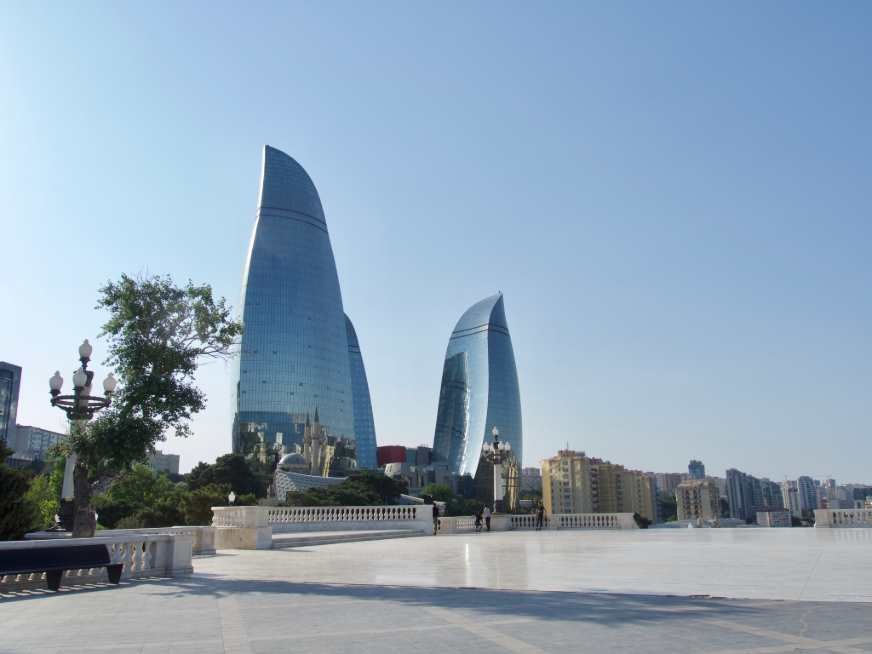
    No trip to Baku is complete without marveling at the Flame Towers, the city’s most iconic modern landmark. Representing Azerbaijan’s ancient connection to fire, these towering skyscrapers dominate the city’s skyline. At night, the towers come alive with LED displays of flickering flames, offering a visual treat that’s hard to forget. For panoramic views of the city and the Caspian Sea, a visit to the Flame Towers is an absolute must.

    Discover Baku’s Old City

    The Old City of Baku, or Icherisheher, is a UNESCO World Heritage Site and a treasure trove of history. This walled city is home to winding alleys, centuries-old mosques, and stunning architectural gems like the Maiden Tower and the Palace of the Shirvanshahs. Walking through the Old City feels like stepping back in time, making it one of the most enchanting places to visit in Baku. Be sure to explore the local markets for unique souvenirs and traditional crafts.

    Stroll Along Baku Boulevard

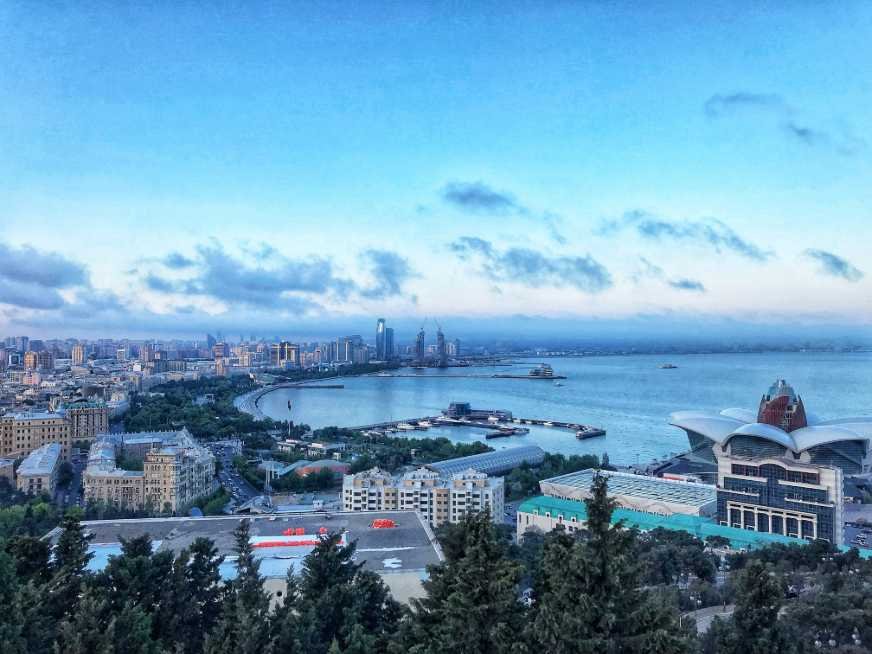
    For a relaxing escape, head to Baku Boulevard, a scenic promenade stretching along the shores of the Caspian Sea. This tranquil spot is perfect for a leisurely stroll or a fun family outing. Highlights include the Baku Ferris Wheel, also known as the Baku Eye, which offers spectacular views of the city. The beautifully landscaped gardens and waterside cafes make this one of the most peaceful places to visit in Baku.

    The Heydar Aliyev Center: A Futuristic Masterpiece

    Designed by world-renowned architect Zaha Hadid, the Heydar Aliyev Center is a modern architectural marvel that symbolizes Azerbaijan’s forward-thinking culture. Its flowing, wave-like design contrasts beautifully with Baku’s historic surroundings. Inside, the center hosts exhibitions, cultural events, and art displays, making it a must-see for architecture enthusiasts and art lovers alike. This is undoubtedly one of the top Baku tourist attractions.

    Explore the Absheron Peninsula

    Just outside the city, the Absheron Peninsula offers a mix of natural wonders and historical sites. Visit Gobustan National Park, a UNESCO World Heritage Site, to see ancient petroglyphs and mud volcanoes. Don’t miss the Ateshgah Fire Temple, a sacred Zoroastrian site with a fascinating history. These attractions near Baku provide a deeper understanding of Azerbaijan’s rich cultural and geological heritage.

    Art and Culture in Baku

    Baku boasts a thriving art scene that caters to both modern and traditional tastes. The Museum of Modern Art showcases contemporary Azerbaijani artists, while the Azerbaijan National Museum of Art houses an extensive collection of local and international works. For a unique blend of art and architecture, don’t miss the exhibitions at the Heydar Aliyev Center.

    Baku by Night: A City That Never Sleeps

    Baku transforms into a magical city after sunset. From upscale lounges to vibrant nightclubs, the city’s nightlife caters to all preferences. The illuminated Flame Towers and the glittering lights of Baku Boulevard provide a stunning backdrop for an evening out. Whether you’re enjoying a cocktail by the Caspian Sea or dancing the night away, Baku’s nightlife is unforgettable.

    Shopping in Baku

    Baku offers a diverse shopping experience, from traditional bazaars to luxury malls. Visit Taza Bazaar to immerse yourself in local culture and shop for fresh produce, spices, and Azerbaijani delicacies. For a more modern experience, head to Port Baku Mall, where you’ll find international brands and high-end boutiques. This combination of traditional and contemporary shopping makes Baku a paradise for shopaholics.

    Conclusion: Experience the Magic of Baku

    Baku is a city of striking contrasts, seamlessly blending ancient history with cutting-edge innovation. From exploring the timeless charm of the Old City to marveling at architectural wonders like the Heydar Aliyev Center, there’s no shortage of places to visit in Baku.

    Whether you’re strolling along the Caspian Sea, delving into Azerbaijan’s rich cultural heritage, or enjoying the vibrant nightlife, Baku promises an unforgettable experience. Start planning your Baku travel adventure today and discover why this city is one of the most unique destinations in the world.

    Let Us Help You Plan Your Baku Adventure!

    Looking to explore the best of Baku? We offer expert travel services to make your trip seamless. From visa assistance to tailored itineraries, we’ve got you covered. Contact us today to start planning your dream trip to Baku and more!

  • Azerbaijan Visa for Pakistan

    Azerbaijan Visa for Pakistan

    Azerbaijan Visa for Pakistan: A Complete Guide

    Traveling to Azerbaijan has become increasingly popular among Pakistanis, thanks to its stunning landscapes, historical landmarks, and rich culture. If you’re planning a trip to this beautiful country, understanding the process of obtaining an Azerbaijan visa for Pakistan is an essential first step. This comprehensive guide will walk you through the types of visas available, the application process, and tips to ensure a hassle-free journey.

    Types of Azerbaijan Visas for Pakistani Citizens

    Before applying for an Azerbaijan visa for Pakistan, it’s important to understand the type of visa that matches your travel purpose. For tourists, the Azerbaijan Tourist Visa is the most common choice, enabling you to explore Azerbaijan’s breathtaking destinations. This visa is usually issued as an eVisa, allowing you to apply online with ease.

    If you’re traveling to Azerbaijan for work purposes, you’ll need to apply for the Azerbaijan Work Visa. This visa requires an employer’s sponsorship and includes obtaining a valid work permit, making it a more detailed process compared to a tourist visa.

    For those traveling on business, the Azerbaijan Business Visa is tailored for activities such as attending conferences, trade exhibitions, or corporate meetings. Alternatively, if Azerbaijan is a stopover on your journey to another destination, the Transit Visa is designed for short stays, letting you explore the country for a limited time.

    How to Apply for an Azerbaijan Visa

    Applying for an Azerbaijan visa for Pakistan is a simple and streamlined process, especially with the introduction of the eVisa system. Begin by visiting the official eVisa website at eVisa.gov.az to initiate your application. The process starts with filling out an online form where you’ll provide personal details, travel dates, and passport information.

    Once the application form is completed, you need to  upload the necessary documents. These include a valid passport with a minimum of six months’ validity, a recent passport-sized photograph, and a travel itinerary that confirms your return ticket and accommodation details. After submitting the form and documents, you will proceed to pay the visa fee, which starts at approximately $20 for a standard eVisa.

    Processing times typically range from 3 to 5 business days, but expedited options are available for urgent travel needs. After your visa gets approved, you will be receiving it via email. It’s important to print out a copy and keep it with you during your journey.

    Azerbaijan Visa Requirements for Pakistani Citizens

    To ensure your visa application is successful, you must meet the necessary requirements. Your passport must be valid for at least six months beyond your travel date. Additionally, you’ll need to complete the visa application form accurately and provide a recent passport-sized photograph.

    For travel insurance, you must have proof of coverage during your stay in Azerbaijan. A bank statement showing sufficient funds for your trip is also required. If you’re applying for a work or business visa, additional documents, such as an invitation letter from your employer or host organization, may be needed.

    Common Questions About Azerbaijan Visas

    Many Pakistani travelers wonder whether Azerbaijan offers visa-free entry, but the answer is no. All Pakistani citizens require a valid visa to enter Azerbaijan. However, the eVisa system has simplified the process significantly.

    The cost of a tourist eVisa for Azerbaijan starts at approximately $20, with expedited processing available at higher fees. Standard processing typically takes 3–5 business days, but travelers can opt for faster approvals when necessary.

    If you encounter issues with your eVisa, such as errors or technical glitches, the Azerbaijan eVisa support team or the Embassy of Azerbaijan in Pakistan can provide assistance.

    Benefits of the Azerbaijan eVisa

    One of the major advantages of the eVisa system is convenience. Pakistani travelers no longer need to visit an embassy or consulate to apply for a visa, as the entire process can be completed online. Furthermore, eVisas are processed quickly, with most applications approved within a few days.

    This system is widely accepted and valid at all international airports and border points in Azerbaijan, making it a seamless solution for travelers.

    Tips for a Smooth Visa Application

    While the Azerbaijan eVisa application process is user-friendly, it’s essential to double-check all details before submission. Even small errors, such as a typo in your name or passport number, can delay your approval. Apply for your visa well in advance, ideally at least two weeks before your travel date, to avoid last-minute stress.

    Always keep both physical and digital copies of your eVisa and supporting documents. These can prove invaluable if any issues arise during your trip.

    Conclusion

    Obtaining an Azerbaijan visa for Pakistan is now easier than ever, thanks to the eVisa system. Whether you’re planning to immerse yourself in the vibrant streets of Baku, explore the scenic beauty of Gabala, or attend business meetings, following the outlined steps will ensure a smooth visa application process.

    Azerbaijan’s rich culture, stunning architecture, and warm hospitality await Pakistani travelers. Begin your visa application today and prepare for an unforgettable experience!

    We’re Here to Help!

    Planning your trip to Azerbaijan? Let us take the hassle out of the visa application process. Our expert team will handle everything for you, ensuring a smooth and stress-free experience. Contact us now to get started and make your travel dreams a reality!

  • Desert Safari Dubai

    Desert Safari Dubai

    Unforgettable Desert Safari Dubai: A Journey Through the Sands

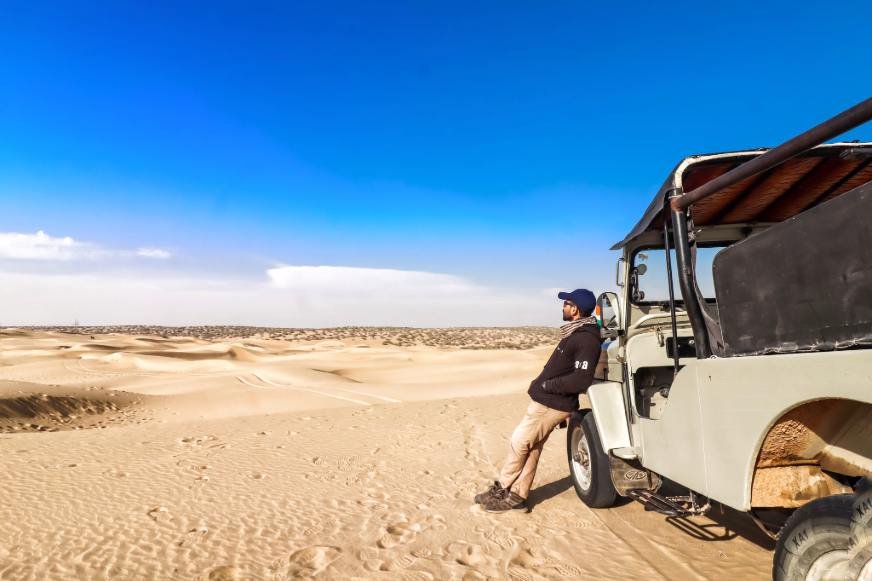
    When it comes to thrilling and adventurous experiences, Desert Safari Dubai stands out as one of the most exciting activities to enjoy in the UAE. The city, known for its towering skyscrapers and luxury shopping malls, also offers a contrasting experience — an adventure into the vast and golden sands of the Arabian Desert. Whether you’re seeking a VIP, Private, or a more unique Overnight Desert Safari, there’s an experience for everyone. In this article, we’ll take you through the different types of desert safaris you can experience in Dubai, why they are a must-do, and the best places to book them.

    Why Choose Desert Safari Dubai?

    Desert Safari Dubai is an unforgettable experience that combines thrilling activities with traditional Arabian hospitality. The desert offers a serene yet adventurous environment that allows you to immerse yourself in the culture and natural beauty of Dubai. Whether it’s the excitement of dune bashing in a Hummer Desert Safarior the serenity of an Overnight Desert Safari, there are endless opportunities for adventure.

    Moreover, a Desert Safari Booking can easily be done online, with various packages that suit your preferences. From morning desert safari for early risers to evening desert safari for those seeking a magical sunset, these safaris offer an experience like no other.

    Types of Desert Safaris in Dubai

    Dubai offers several different types of desert safaris, each catering to different preferences. Let’s take a look at the most popular options:

    1. Morning Desert Safari

    For those who prefer starting their day with an adventure, the Morning Desert Safari is a perfect option. This safari typically involves a thrilling dune bashing session, followed by a chance to capture beautiful desert safari pictures in the soft morning light. Afterward, you can enjoy activities like camel riding and sandboarding, making it an exhilarating yet family-friendly experience.

    2. Night Desert Safari

    For those seeking an exciting evening under the stars, the Night Desert Safari is a fantastic choice. It includes a mesmerizing view of the desert at sunset, followed by a traditional Arabian-style dinner. You’ll enjoy a delicious meal while being entertained by a variety of performances, such as belly dancing and Tanoura shows. The Desert Safari Dubai Ticket Price for a night safari varies, depending on the package and additional features like luxury desert safari Dubai options.

    3. Overnight Desert Safari

    For a truly unique experience, consider an Overnight Desert Safari. This safari allows you to spend the night in the desert, with a barbecue dinner, stargazing, and even an early morning camel ride at sunrise. The tranquil desert atmosphere during the night provides an unforgettable experience, offering both relaxation and adventure.

    4. Luxury Desert Safari

    For those who prefer the finer things in life, the Luxury Desert Safari offers premium experiences such as private vehicles, gourmet dining, and exclusive entertainment. Whether it’s in a Hummer Desert Safari or a luxurious 4×4, these safaris offer a more upscale way to experience the desert’s beauty.

    5. VIP Desert Safari

    If you want a truly exclusive and intimate experience, the VIP Desert Safari is the way to go. This safari typically includes private vehicles, personalized services, and a range of luxurious activities tailored to your needs. Whether it’s a private dinner or an exclusive tour of the desert’s beauty, this safari is designed for those who want to indulge in the ultimate desert experience.

    Top Desert Safari Deals and Offers

    Booking a desert safari Dubai can sometimes be overwhelming due to the numerous options available. Fortunately, there are plenty of desert safari Dubai deals and desert safari offers to help you find the perfect package for your budget. Many tours include additional activities, such as camel rides, sandboarding, and traditional performances. Be sure to look for desert safari booking discounts that offer great value for money, whether you’re booking a morning desert safari or a premium desert safari.

    For those planning to visit other nearby locations, consider the Hatta Desert Safari Dubai, which provides a unique experience compared to traditional safaris in Dubai.

    Desert Safari Pictures: Capturing the Essence

    One of the highlights of a Desert Safari Dubai is the opportunity to take breathtaking pictures of the vast desert landscape. From the desert safari HD shots to capturing the beautiful desert safari Dubai images at sunset or during thrilling dune bashing, the desert provides the perfect backdrop for any photographer. Whether you’re looking for photos for memories or for social media, the desert offers a stunning, natural setting that guarantees spectacular results.

    Conclusion: Book Your Desert Safari Adventure Today

    A Desert Safari is a must-do when visiting Dubai. Whether you’re after a luxurious VIP experience, a thrilling hummer desert safari, or a peaceful overnight desert safari, the options are endless. With an easy desert safari booking system, securing your spot has never been simpler. Don’t miss out on the chance to experience the magic of the desert in one of the most unique and memorable ways possible. Contact Us Now!

  • Study in Azerbaijan

    Study in Azerbaijan

    Study in Azerbaijan: A Comprehensive Guide for Aspiring Students

    If you’re considering to go study in Azerbaijan, this comprehensive guide covers everything from academic opportunities to visa requirements, costs, and benefits, ensuring you’re well-prepared to start your journey. Azerbaijan, with its rich cultural heritage and growing prominence in education, is emerging as a favored destination for international students.

    Why Choose to Study in Azerbaijan?

    Azerbaijan offers a distinctive educational experience that combines affordability with cultural diversity. Here’s why it’s an excellent choice for students worldwide:

    • Affordable Education: The cost of study in Azerbaijan is significantly lower compared to many Western countries, offering quality education without the hefty price tag.
    • Diverse Academic Options: Whether it’s language courses in Azerbaijan or specialized programs like medicine at Azerbaijan Medical University, there’s something for every aspiring student.
    • Rich Cultural Exposure: Studying in Azerbaijan allows you to experience its unique blend of Eastern and Western cultures, picturesque landscapes, and vibrant traditions.

    Scholarships and Financial Aid

    To make education more accessible, Azerbaijan provides a variety of scholarship programs:

    • Azerbaijan Government Scholarship: This fully funded program is designed to attract talented international students, covering tuition, accommodation, and living expenses.
    • University-Specific Scholarships: Institutions like Azerbaijan University offer merit-based financial aid for international students, reducing the overall cost of study in Azerbaijan.

    These scholarships ease the financial burden and allow students to focus on their studies and cultural experiences.

    Visa Requirements: How to Get a Baku Visa for Pakistani Students

    Obtaining a Baku visa for Pakistani students is a straightforward process. Here’s what you need to know:

    • Required Documents: Admission letter from a recognized Azerbaijani university, proof of financial resources, valid passport, and completed visa application form.
    • Processing Time: Typically takes 15–20 business days.
    • Cost: Visa fees vary depending on the type and duration of your stay.

    With a valid Baku visa, Pakistani students can enjoy not only academic opportunities but also the vibrant lifestyle of Azerbaijan’s capital city.

    Top Universities and Courses in Azerbaijan

    Azerbaijan is home to world-class institutions offering diverse programs. Some of the top choices include:

    • Azerbaijan Medical University: Renowned for its comprehensive medical programs, attracting students globally.
    • Language Courses in Azerbaijan: Ideal for students looking to immerse themselves in the local culture and learn new languages.
    • Azerbaijan University: Known for its excellence in science, technology, humanities, and business programs.

    These universities maintain high academic standards, ensuring students are well-prepared for global opportunities.

    Cost of Study in Azerbaijan

    Understanding the cost of study in Azerbaijan is crucial for financial planning. Here’s a general breakdown:

    • Tuition Fees: Range from $2,000 to $5,000 annually for undergraduate programs.
    • Living Expenses: Expect to spend approximately $300–$500 per month on housing, food, and transportation.
    • Additional Costs: Include visa fees, health insurance, and educational materials, totaling around $500 annually.

    Compared to other international education hubs, Azerbaijan is an affordable yet quality option for students.

    Beyond Academics: Exploring Career and Cultural Opportunities

    Studying in Azerbaijan isn’t just about academics. The country offers several avenues for professional and personal growth:

    • Work Opportunities: Students can engage in part-time jobs, internships, and volunteer activities to build skills and expand their professional network.
    • Pathways to Citizenship: Though challenging, long-term residents contributing to the country may explore options for Baku citizenship.

    These opportunities ensure students leave with more than just a degree—they gain invaluable life experiences and career readiness.

    Final Thoughts

    Azerbaijan combines quality education, cultural diversity, and affordable living, making it an ideal choice for international students. Whether you’re aiming to enroll in a prestigious program at Azerbaijan Medical University or explore language courses in Azerbaijan, the possibilities are endless.

    Don’t forget to apply for scholarships, including the Azerbaijan Government Scholarship, and secure your Baku visa for Pakistani students to embark on this exciting academic journey. Start planning today and unlock a world of opportunities in Azerbaijan!

    Need Help?

    We specialize in assisting students with the application process, scholarship opportunities, and visa requirements. Contact us today to kickstart your educational journey in Azerbaijan!

  • Exploring Tashkent

    Exploring Tashkent

    Exploring Tashkent: The Vibrant Capital of Uzbekistan

    Tashkent, the capital city of Uzbekistan, stands as one of Central Asia’s most dynamic and historically rich cities. As the largest city in the country, Tashkent is a major cultural, political, and economic hub. Whether you’re a traveler exploring attractions in Tashkent or a business professional looking for the best hotels in Tashkent, this city offers a perfect blend of modern amenities and historical landmarks. Let’s dive deeper into what makes Tashkent truly unique.

    Why Tashkent is the Heart of Uzbekistan

    Tashkent is the beating heart of Uzbekistan, reflecting the country’s long history and rich heritage. Located in the eastern part of Uzbekistan, it’s not only the largest city in the country but also one of the most significant. As the capital, It serves as the political and economic center, offering visitors a glimpse into the past while embracing modern developments.

    The city’s strategic location, close to key regions of Central Asia, makes it an important stop for travelers and tourists flying to Tashkent. From the American Embassy in Tashkent to the lively Tashkent metro, the city is a bustling metropolis that attracts visitors from around the world.

    Key Attractions in Tashkent

    Tashkent is home to several landmarks that captivate both tourists and locals. Some of the must-visit spots include:

    • Amir Temur Square:
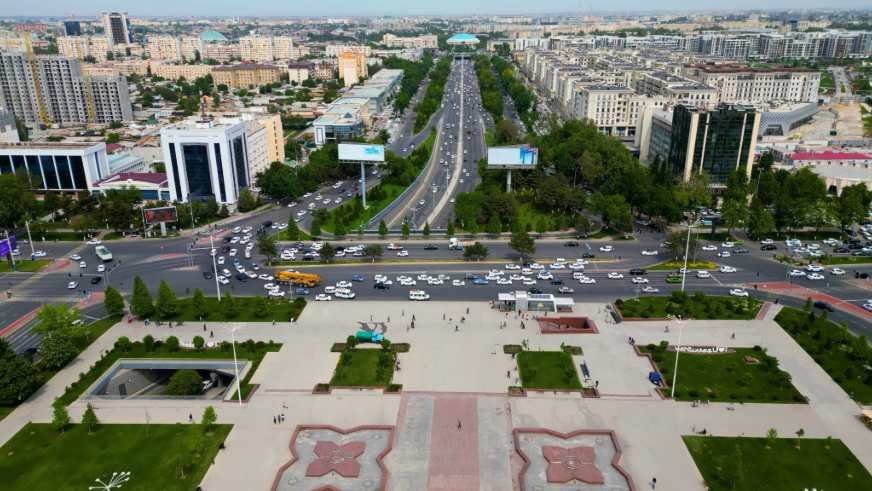
      Amir Temur Square is a true centerpiece of Tashkent, steeped in history and culture. It’s named after the legendary conqueror Amir Timur, a figure who left an indelible mark on Central Asia. As you stroll around the square, you’ll notice the impressive statue of Amir Timur at its heart, surrounded by beautiful gardens that invite you to take a moment to relax. The square is framed by striking architecture, giving visitors a perfect blend of history and modernity. Whether you’re here to learn about the past or simply take in the views, this iconic spot won’t disappoint.
    • Tashkent Tower:
      Tashkent Tower stands tall as one of the city’s most recognizable landmarks. More than just a television tower, it’s a place where you can experience breathtaking panoramic views of the entire city. Take a trip to the observation deck, and you’ll see Tashkent stretching out in every direction, offering a unique perspective on its blend of old and new. The tower itself is a marvel of engineering, and the experience of being there feels like a perfect mix of adventure and sightseeing.
    • Tashkent Metro:
      The Tashkent Metro isn’t just about getting from one place to another—it’s a journey through art and culture. As soon as you step into the metro stations, you’ll be amazed by the intricate designs, colorful mosaics, and unique architectural themes. Each station feels like a work of art, and exploring them is like stepping into a living museum. Whether you’re commuting or simply exploring, the Tashkent Metro is an experience worth having.
    • City Park & City Mall:
      City Park and City Mall bring out the modern and vibrant side of Tashkent. The park is filled with lush greenery, making it a peaceful spot for relaxation, picnics, or a casual walk. Right next to it, the City Mall offers a dynamic shopping experience with international and local brands, trendy cafes, and fun entertainment options. Together, these two places give visitors a glimpse of Tashkent’s urban lifestyle while still keeping a touch of nature.
    • Westminster International University:
      For anyone interested in education or global opportunities, Westminster International University in Tashkent stands out as a beacon of learning. It’s known for its modern approach to education and its international environment, making it a popular choice for students both from Uzbekistan and abroad. The university also promotes a collaborative and forward-thinking atmosphere, offering plenty of cultural and academic events throughout the year.
    • Uzbekistan National Museum of Arts:
      The Uzbekistan National Museum of Arts offers a journey through the rich history and artistic traditions of the country. Its collection ranges from ancient artifacts to stunning modern artworks, each piece telling a unique story. As you walk through its halls, you’ll discover a deeper connection to Uzbekistan’s heritage, from the intricate craftsmanship of historical items to the vibrant creativity of contemporary pieces. It’s a must-visit for anyone wanting to truly understand the culture and history of this fascinating nation.

    Best Hotels in Tashkent for Your Stay

    When traveling to Tashkent, choosing the right accommodation is essential for a comfortable stay. The city offers a wide range of hotels catering to all budgets. Some popular options include:

    • Luxury Hotels:

      • Hyatt Regency Tashkent and Intercontinental Tashkent: Offering world-class service and luxurious amenities, these hotels are perfect for those looking for comfort and elegance.
      • Hilton Tashkent and Radisson Blu Hotel Tashkent: Known for their luxurious facilities and exceptional hospitality, these are ideal for a premium experience.
    • Mid-Range Options:

      • Courtyard by Marriott Tashkent: This is a great choice for both business and leisure travelers, offering a balance of comfort and affordability.

    Whether you’re staying near Tashkent International Airport or in the heart of the city, there’s something for every type of traveler.

    Tashkent’s Cultural and Diplomatic Importance

    Tashkent plays a crucial role in international relations. As the capital city of Uzbekistan, it serves as a political powerhouse, hosting important diplomatic missions. Notably:

    • American Embassy in Tashkent: This vital diplomatic center facilitates exchanges and relations between Uzbekistan and the U.S., contributing to Tashkent’s global significance.
    • Uzbekistan Consulates: With consulates in various global cities, Tashkent strengthens international ties, making it a key diplomatic hub.

    It’s cultural significance is equally important, with regular cultural exchanges and global collaborations, making it a thriving and diverse metropolis.

    Traveling to Tashkent: What You Need to Know

    • Flights to Tashkent: The city is well-connected with international airports offering numerous flights. Major airlines offer direct flights from cities like New York  and other global locations.
    • Tashkent International Airport: The city’s main gateway is well-organized, offering smooth access to the city and beyond.
    • Navigating Tashkent: The city’s metro system is one of the best in Central Asia, with extensive road networks making it easy to navigate. Adjust your schedule to the local time zone for a smooth trip.

    Conclusion: Discovering Tashkent’s Charm

    Tashkent is more than just the capital of Uzbekistan; it’s a vibrant city that offers a perfect mix of historical significance and modern flair. From the best hotels in it to the awe-inspiring attractions, this city is a must-visit for anyone interested in Central Asia’s fascinating blend of cultures. Whether you’re traveling for business, leisure, or diplomatic purposes, the city offers something for everyone.

    Book your flights to Tashkent today and get ready to explore the treasures of Uzbekistan’s capital!
    For further details visit our website or contact us! We are here to assist you.

  • Guide to Kenya Visa for Pakistan

    Guide to Kenya Visa for Pakistan

    A Comprehensive Guide to Kenya Visa for Pakistan

    If you’re planning to explore the stunning landscapes and rich culture of Kenya, securing a Kenya visa for Pakistan is your first step. Balaggan Travel and Tours, your trusted travel partner, is here to guide you through the process, ensuring a smooth journey from application to approval. Whether it’s a business trip, a family vacation, or an adventurous safari, we’ve got you covered.

    Types of Kenya Visas for Pakistani Nationals

    Understanding the type of visa that suits you the best according to your requirement is crucial. Here are the common options available:
    Kenya Business Visa

    The Kenya Business Visa is for people traveling to Kenya for business purposes, such as attending meetings, conferences, or exploring business opportunities.

    Key Details:

    • Eligibility: Foreigners visiting Kenya for business-related activities.
    • Validity: Usually valid for 90 days, but this can vary.
    • Documents Required:
      • A valid passport (minimum 6 months validity with at least one blank page).
      • A completed visa application form.
      • Recent passport-sized photographs.
      • A letter of invitation from the Kenyan company or a business partner.
      • Proof of travel arrangements (e.g., flight itinerary).
      • Proof of accommodation (hotel booking or address of your stay).
      • Business registration documents of your own company or organization (if applicable).
      • Proof of sufficient funds to cover your stay.
    • Application: You can apply online through the official Kenya eVisa portal or visit the Kenyan embassy/consulate in your country.

    Kenya Transit Visa

    The Kenya Transit Visa is for travelers passing through Kenya to another destination and planning to stay in the country for a short time (up to 72 hours).

    Key Details:

    • Eligibility: For travelers with onward tickets who are transiting through Kenya and wish to leave the airport.
    • Validity: Valid for up to 72 hours (3 days).
    • Documents Required:
      • A valid passport (minimum 6 months validity).
      • A completed visa application form.
      • Flight tickets for onward travel.
      • A recent passport-sized photo.
      • Proof of travel arrangements and accommodation (if applicable).
    • Application: Apply online via the Kenya eVisa portal or at the Kenyan embassy/consulate. Some travelers can obtain it on arrival, but it’s better to check beforehand.

    Kenya Entry Visa (Tourist/Single Entry Visa)

    The Kenya Entry Visa is for people traveling to Kenya for tourism, visiting family or friends, or other short-term purposes. It allows a single entry into the country.

    Key Details:

    • Eligibility: Tourists, visitors, or individuals entering Kenya for short stays.
    • Validity: Typically valid for 90 days from the date of issue.
    • Documents Required:
      • A valid passport (minimum 6 months validity with at least one blank page).
      • A completed visa application form.
      • Recent passport-sized photographs.
      • Travel itinerary and proof of travel arrangements (e.g., return ticket).
      • Proof of accommodation or address of stay.
      • Proof of sufficient funds for the duration of your visit.
    • Application: Can be applied for online via the Kenya eVisa portal, through a travel agent, or at the Kenyan embassy.

    Kenya Multiple Entry Visa

    The Multiple Entry Visa is ideal for individuals who need to travel in and out of Kenya multiple times within a set period, such as frequent business travelers or regional visitors.

    Key Details:

    • Purpose: For individuals requiring repeated entries to Kenya.
    • Validity: Typically 6 months or 1 year.
    • Documents Required:
      1. Valid passport (at least 6 months validity with two blank pages).
      2. Completed visa application form.
      3. Recent passport-sized photo.
      4. Travel itinerary showing multiple planned visits.
      5. Letter explaining the purpose of multiple entries (e.g., business, regional travel).
      6. Proof of accommodation and sufficient funds.
      7. Invitation letter from a business partner or host (if applicable).
    • Application Process:
      • Apply via the Kenya eVisa portal or at the Kenyan embassy.
    • Cost: Approximately $101–$150 (subject to changes).

    How to Apply for a Kenya Visa from Pakistan

    Applying for a Kenya visa for Pakistan is now simpler than ever with the introduction of e-visas. Here’s a step-by-step guide to help you:

    Visit the Official eCitizen Website
    Go to the Kenya eVisa portal (eCitizen) and create an account.

    Choose the Visa Type
    Select the visa category that aligns with your travel purpose and requirements.

    Complete the Application Form
    Fill in your details accurately and upload the required documents, including:

    • A valid Pakistani passport (with at least six months validity from the date of application)
    • Passport-sized photographs meeting Kenya’s photo requirements
    • Proof of travel itinerary and accommodation
    • Return flight tickets

    Pay the Visa Fee
    The fees vary based on the visa type. For example:

    • Single Entry Visa: $51
    • Transit Visa: $21

    Submit and Wait for Approval
    After submission, track your application status on the eCitizen portal.

    Kenya Visa Requirements for Pakistani Citizens

    For a successful application, make sure you have the following essentials:

    • A scanned copy of your Pakistani passport
    • Recent passport-sized photos
    • Completed visa application form
    • Proof of sufficient funds
    • Detailed travel itinerary

    Balaggan Travel and Tours can assist you in compiling these documents to avoid any delays or rejections.

    Kenya Visa on Arrival for Pakistan: Is It Possible?

    Currently, Kenya does not offer visas on arrival for Pakistani citizens. You must apply for an e-visa before traveling. Our team at Balaggan Travel and Tours can help you navigate this process to ensure a hassle-free experience.

    Kenya Visa Fees for Pakistani Nationals

    Here’s a breakdown of the fees:

    • Tourist Visa: $51
    • Transit Visa: $21
    • Multiple Entry Visa: $101

    Payment is made online during the application process via the eCitizen platform.

    Common Challenges and How We Help

    Applying for a Kenya visa for Pakistan can sometimes be challenging. Issues like incomplete documentation, unclear photo requirements, or payment errors can lead to delays. At Balaggan Travel and Tours, we specialize in:

    • Guiding you through the eVisa application process
    • Resolving common eVisa problems
    • Ensuring your documents meet Kenyan requirements

    Why Choose Balaggan Travel and Tours?

    As a leading travel agency in Pakistan, Balaggan Travel and Tours ensures a seamless visa application process. Our services include:

    • Expert consultation for your visa needs
    • Assistance with eVisa tracking and updates
    • Customized travel packages to Kenya

    FAQs About Kenya Visa for Pakistani Citizens

    1. How long does it take to process a Kenya visa?
      Processing usually takes 2-3 business days via the eCitizen platform.

    2. Can I extend my Kenya visa?
      Yes, you can apply for an extension at the immigration office in Kenya.

    3. Do I need a transit visa for a layover in Kenya?
      Yes, if you plan to leave the airport during your layover.

    4. What is the validity of a Kenya tourist visa?
      The single-entry tourist visa is valid for 90 days from the date of issuance.

    Plan Your Kenya Adventure Today!

    With Balaggan Travel and Tours, your Kenyan adventure is just a click away. From visa assistance to personalized travel itineraries, we’re committed to making your trip unforgettable. Contact us today to get started!